Reproduction without a bull: How Hedl Ranch manages their herd with MooHero
Published: 3/16/2026
REPRODUCTION WITHOUT A BULL: How Hedl Ranch manages the herd with MooHero technology
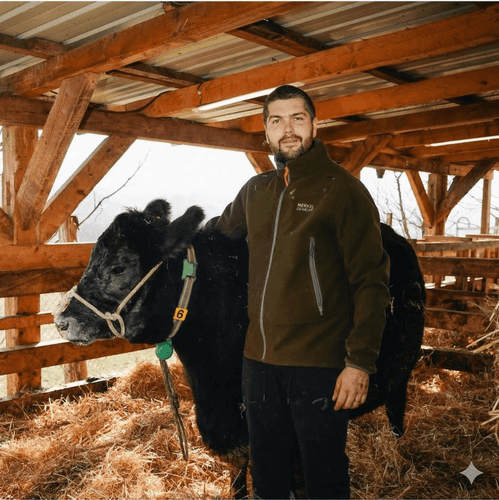
At the Hedl Ranch, a family farm near Maribor, they have proven that it is possible to successfully manage the rearing of suckler cows (beef cattle) even without a breeding bull. With the help of the MooHero system, they have complete control over the reproduction, genetics, and health of their herd.
The farm is focused on the organic rearing of Angus cattle and meat processing, and their breeding herd consists of 15 suckler cows and heifers. Due to the diverse and scattered pastures, the rearing conditions change frequently, which requires a great deal of flexibility and precise monitoring of the animals from the breeder. To nevertheless achieve rapid genetic progress, they decided on a unique approach: breeding without a bull, supported by smart technology.
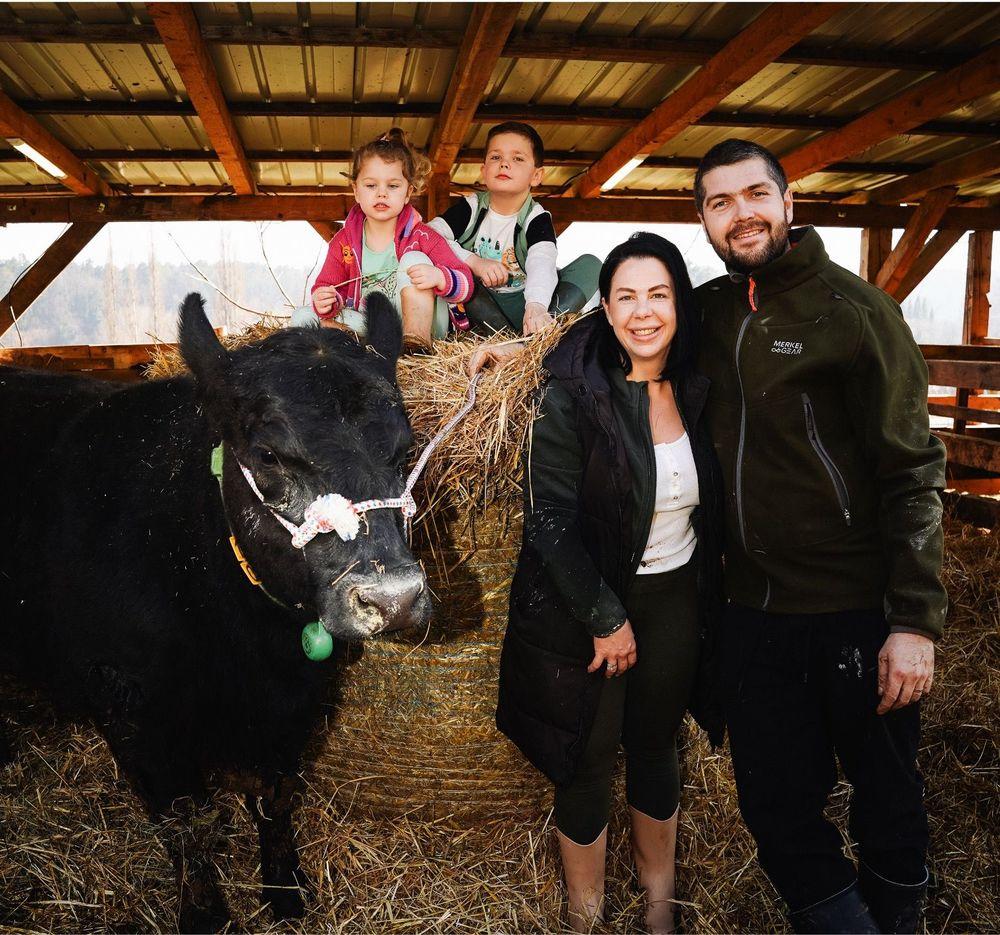
Why they decided on breeding without a bull
The introduction of smart collars is more common in dairy herds, as the investment quickly pays for itself through daily milk yield. The economics of suckler cows, however, are much more specific, as a suckler cow rears only one calf per year, which represents her sole income. Therefore, an investment in technology in this type of rearing must have a very clear purpose.
The decision was made based on a precise calculation. They determined that one bull occupies the feed and space capacity of approximately 1.5 cows. Rearing a bull thus costs not only feed, but primarily the lost income that an additional cow would generate.
For their smaller, yet premium herd, the calculation was clear: the combination of smart collars and artificial insemination is financially more favorable, while also providing safety—they avoid risks such as animal diseases, bull infertility, injuries, and dangers when working with the animals.
The reason for the decision was simple: reliable control of reproduction without a bull.
Reproduction as a selection criterion
At the Hedl Ranch, they are aware that premium rearing conditions and high-quality feed are not enough without an adequate genetic foundation. Therefore, fertility is not a "bonus" for them, but a basic condition for the survival and development of the herd. A good breeding cow is distinguished by productivity, functionality, fertility, and clearly expressed heats. Silent heats and reproduction problems are insidious, as they are difficult to notice on the pasture.
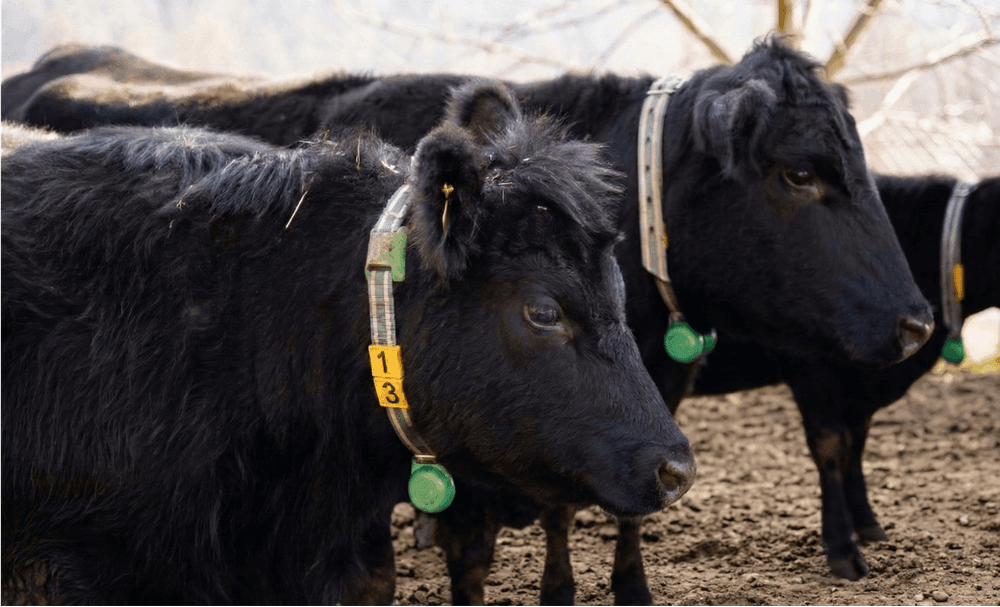
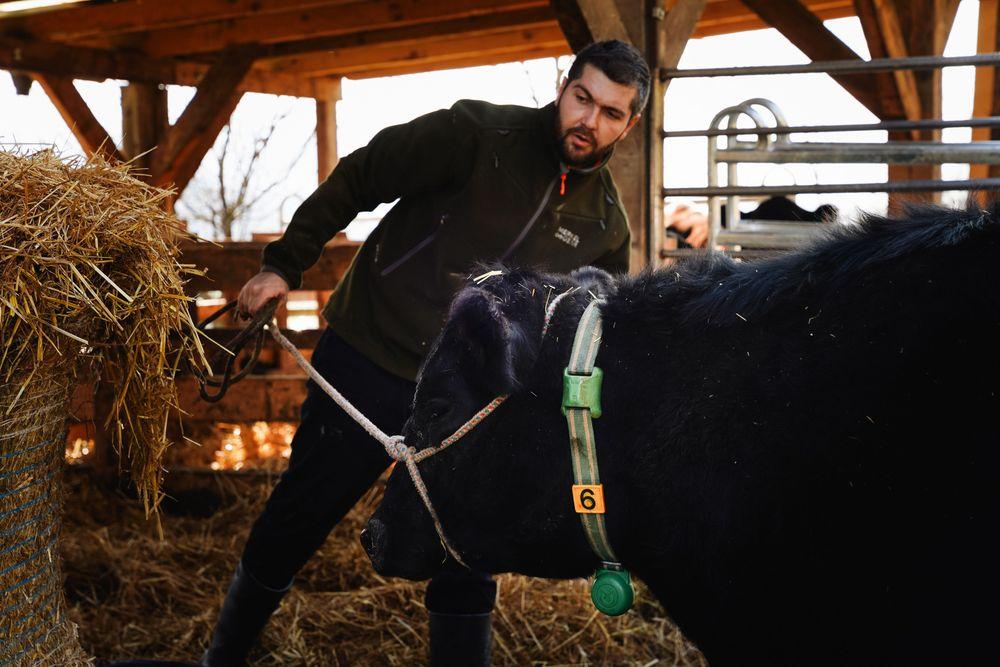
With MooHero collars, we don't just search for heats; we manage reproduction.
Because the system detects heats even at night or in the absence of the breeder, it enables timely insemination and thereby planned genetic progress. For each of the three basic lines (Greta, Ava, and Milka), they thus select the best sire according to the breeding goal, instead of being limited to the genetics of a single bull for the entire season.
From Reproduction to Insights into Nutrition and Health
Although the system was introduced for reproduction, it has also proven indispensable for monitoring nutrition and feed quality. Due to the scattered agricultural land across different locations, the composition and quality of the forage and pasture vary considerably throughout the season.
In many herds, fluctuations in quality are addressed by adding grains and concentrates. At the Hedl Ranch, however, they believe that supplements cannot fix a poor foundation. The bulk of the ration must consist of high-quality forage, which is a prerequisite for stable digestion.
We do not want the cows to eat every last bit at any cost. We want them to remain ruminants—to select and ruminate their feed, which ensures stable digestion.
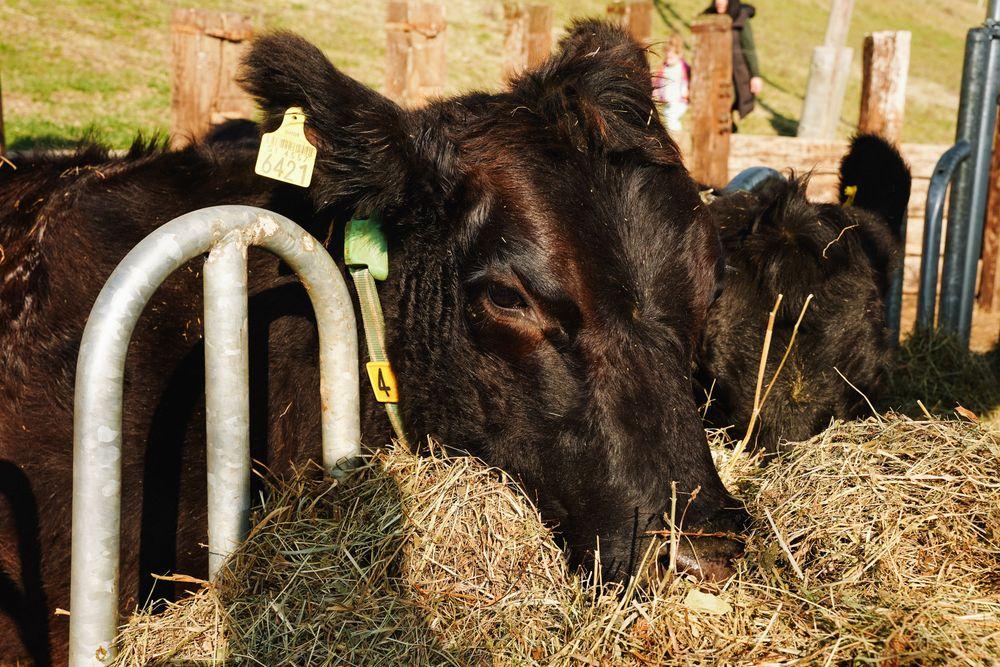
This is precisely why rumination is their most important indicator of the suitability and quality of feed and cow nutrition, and consequently, their health. MooHero monitors eating and rumination, alerting to drops in rumination, which is often the first sign that something is amiss with the feed or the animal's health.
You can read more about rumination as a health indicator in the following article: https://www.moohero.com/sl/blog/rumination-as-an-indicator
A practical example - a drop in rumination despite a full feeder
The application reported a drop in rumination for the cow Ava, but a look at the data quickly showed a drop across the entire herd. This was a clear signal: the problem was not with an individual animal or the whole herd, but with the feed.
Although the feeder was full and the hay looked adequate, the data showed otherwise. Therefore, they removed the old bale and used it for bedding, offering the animals a new and fresh one. Shortly thereafter, rumination stabilized.
Without this insight, lower feed consumption would have brought serious consequences, which in suckler cows appear with a delay—through a drop in the cows body condition and productivity, deteriorating health, and, in the long term, poorer reproduction and a shorter lifespan.
The difference is that we have control: we can quickly see when deviations start appearing in the basic feed, and we take action before there is a noticeable drop in calf weight gain and poorer cow condition.
From guesswork to herd control
The Hedl Ranch experience confirms that efficiency in suckler cow breeding does not stem from shortcuts, but from good fundamentals, consistent prevention, and precise control. MooHero smart collars have enabled them to transition from guesswork to reliable herd management—from timely inseminations to swift responses to changes in feed.
The result is not only financial savings, but above all, peace of mind and reliable support in making timely decisions regarding the selection, health, and nutrition of the herd.